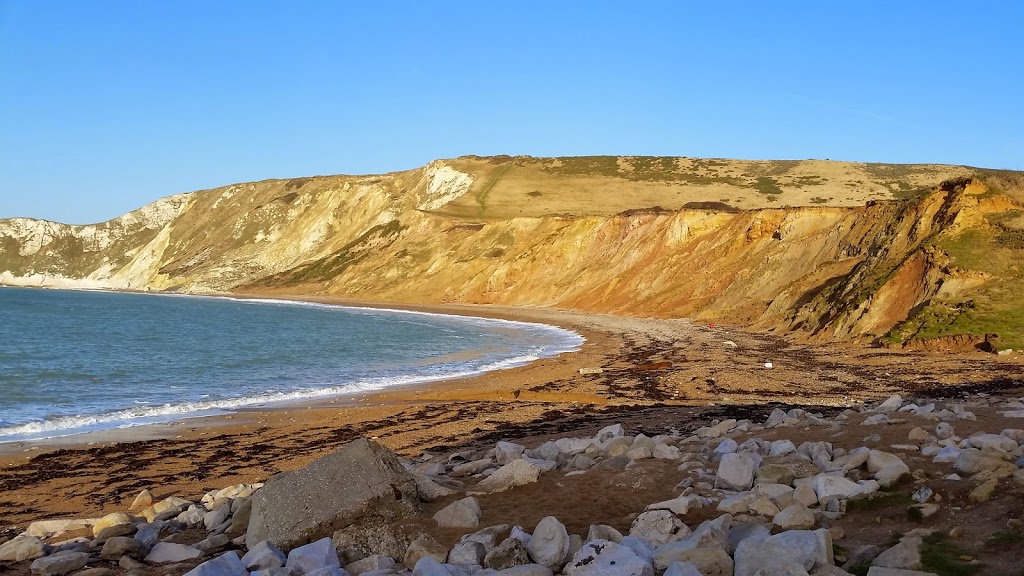
The shortest day has passed, welcome to the longest month. Find out what to do and see with this guide to January seasonal events and outdoor activities.
Nature has undoubtedly mastered the art of winter gardening and even the most experienced gardener can learn from the unrestrained beauty around them.
Vincent A. Simeone

January Almanac
January can seem to be the longest of months. The joy of Christmas is past, and it starts with the hangover of the New Year. Expectations are high from resolutions made, and plans for the year ahead can include fitness, wealth, and happiness. Yet it is still dark, and often wet, and frequently cold. January can be the real start of Winter, with Icy blasts from the East or North. Energy levels are low, and because of this, it is no time to make plans.
As the month progresses, there are signs of life. By the end of the month, the days are getting longer and even if it is icy cold, the first signs of spring start to show.
Dates, events, holidays and festivals.
January 2026
Public holidays
1st January – New Year’s Day
Seasonal, astronomical and nautical events
1st January – New Year’s Day
3rd January – Full Moon, Wolf Moon
10th January – Last Quarter Moon
18th January – New Moon
26th January – First Quarter Moon
Festivals and events, religious, traditional and sporting
5th January – 12th Night, Twelfth cake to be eaten
6th January – Epiphany
10th & 11th January – Wassailing at Lyveden
6th January – 12th Day and Wassail Day
24th January – Winterfest Clevedon
25th January – Burns Night
26th January – Manchester Food And Drink Festival (MFDF)
27th January – Holocaust Memorial Day
Find more events and notable dates throughout the year
January seasonal foods
What foods are seasonal in January?
Greens and leaves: Brussels sprouts, winter cabbage, savoy cabbage, Cauliflower, Chicory, Purple sprouting broccoli, Pak choi, Radicchio, Kale.
Roots and other vegetables: Beetroot, Celery, Celeriac, Jerusalem artichoke, Leek, Onion, Spring onion, Parsnip, Sweet potato, Maincrop potato, Swede, and Turnip.
Meat: Beef, Chicken, Goose, Pork, Venison,
Fruit: Chestnut, Bramley apple, Pears.
Seafood: Cod, Crab, Mussels, Oyster.
Exotics: Banana, Clementine, Date, Grapefruit, Lemon, Orange, Pomegranate.
Find out more about seasonal foods throughout the year with a guide to Seasonal foods.
In nature
Snow, frost, mice, owls, mud, darkness. This can be the coldest time of year with the greatest chance of Snow in many places.
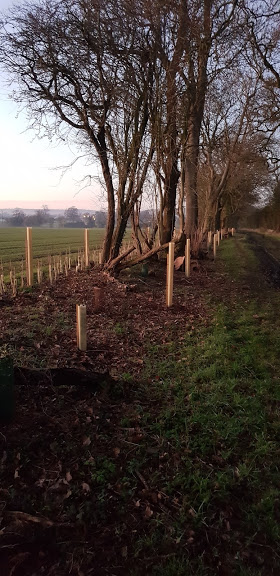
A good time to plant trees and hedges if the ground is not flooded or frozen.
On the farm in January
It is a time for general farm maintenance such as hedging, tree planting, ditch and drainage clearance and fencing. Other ongoing repairs.
Sheep are in lower pastures and being given additional feed such as hay, beets, Wurzells and Sheep nuts.
Calves are weaned at end of the month and fed on concentrates and sugar beet. Cows loafing close to or within Barns helps protect the pasture from compaction and trampling, and there is little or no plant growth.
It is a time for manure and slurry spreading, especially hay and silage fields.
Find out more about what is happening in the Year on the farm
Things to do in January
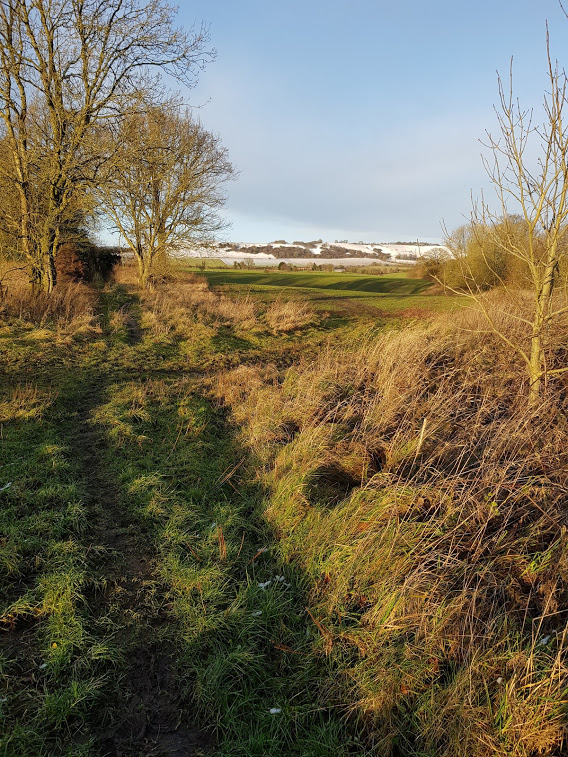
Frosty days and nights
Recipe of the month.
Cheese and Potato Pie
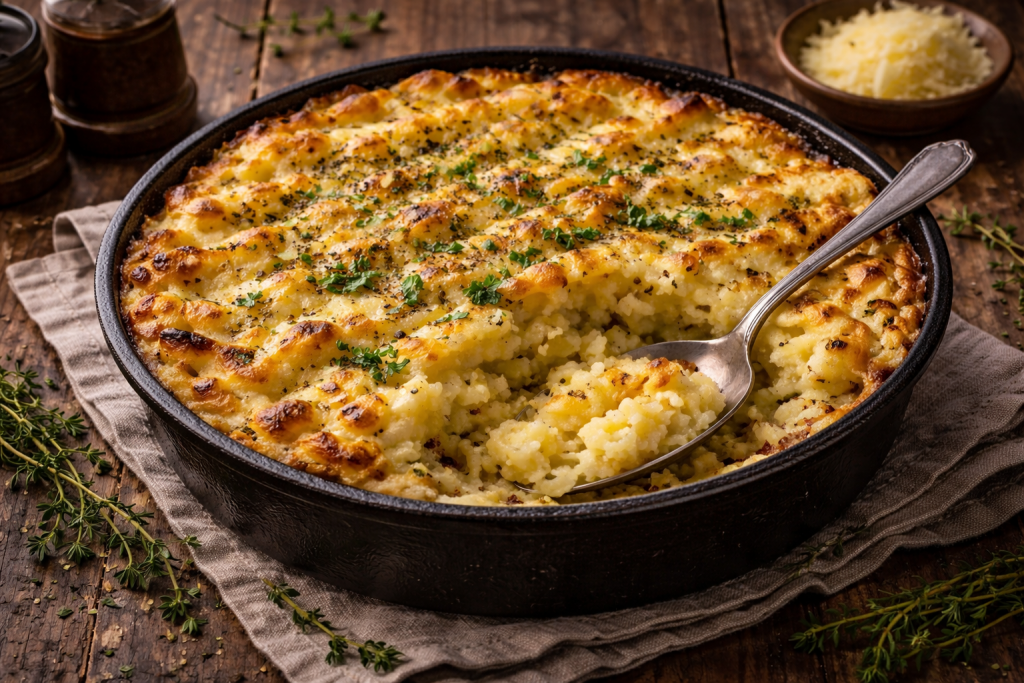
A traditional British dish that has a place at the modern table. The Irish variant is called Champ. Delicious, comforting, warming: ideal for a cold, damp day. Let’s get into the recipe, as I hate scrolling for it – I will add the extra information at the end.
Ingredients
1kg / 2lb Potatoes, peeled and cut into large chunks. King Edward, Maris Piper, Desiree, Golden Wonder, Rooster work best.
25g / 1oz butter, diced, plus extra for greasing
250ml / 9fl oz milk
1 teaspoon English mustard powder or English mustard
250g / 9oz mature Cheddar, grated
5–6 spring onions, finely sliced
1 large free-range egg, beaten
Salt and freshly ground black pepper
Equipment.
- Largish pan
- Spud masher
- Deep baking dish
Preparation
Peel the potatoes, chop them into roughly equal sizes
Beat the egg in a cup
Cooking
Boil the potatoes. Place them in a large pan, add salt to taste if desired, cover partly with water and place the lid. Cook for 15 or so minutes until tender. Once cooked, drain the potatoes well, and leave to dry: either leave in colander or sieve, or place back in a warm pan on low heat for a few minutes.
Heat the oven to 190C/170C Fan/Gas 5. Grease the baking dish with butter.
Mash the potatoes thoroughly. Add the milk, butter and mustard and stir well.
Add tho thirds of the cheese, the egg mix, the chopped Spring Onions and mix again. Season to taste.
Spoon into baking dish: Smooth the top, add a pattern or leave rustic peaks according to desired effect. Sprinkle the remaining cheese over.
Bake for 40 – 50 minutes until golden brown.
Serving suggestion
This dish can be a stand-alone as a main, served with some additional vegetables like carrots and greens, or a good dollop of baked beans for extra comfort.
It can also be a great side dish for a roast or some sausages, served with seasonal vegetables, or alongside a quiche with some salad.
Variations
You can modify this dish, and you do not really need to include the egg. I have also used cream cheese instead of milk for extra richness. Add cabbage, Kale or Chard to make it Colcannon.
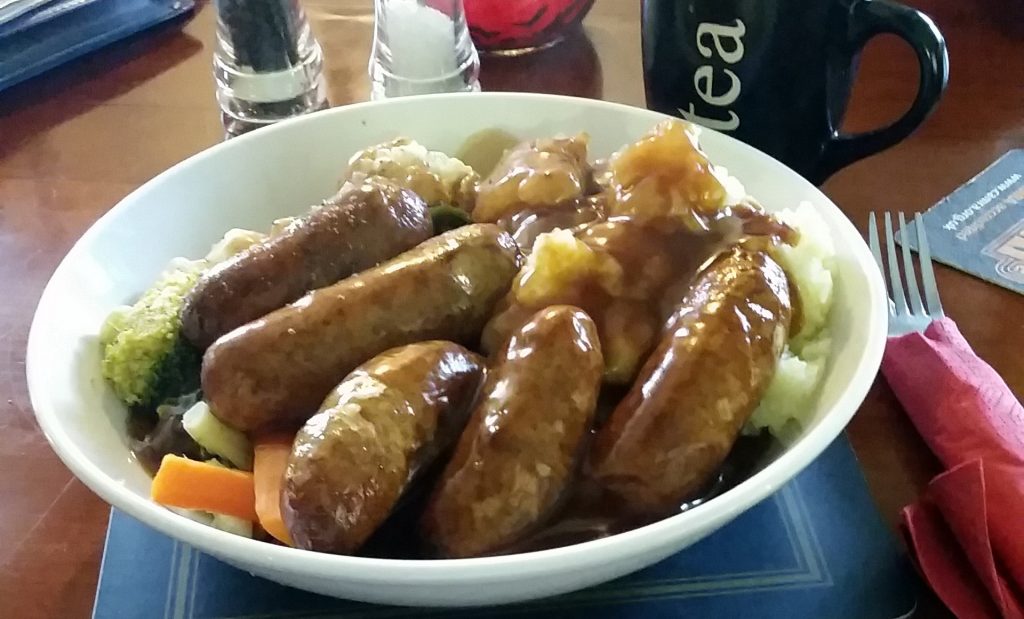
It can also be a deconstructed fish pie – just use your imagination.
I often use Sunday Lunch leftovers, having purposefully over-catered the mash. Addition of carrots and sprouts essentially renders it a bubble and squeak pie – leave out the cheese, and serve with sausages, peas and gravy.
Making the best of seasonal, old knowledge of thrift
Allotment holders and Small holders will know, maybe more in February and March, what it’s like to have potatoes rapidly declining in quality, onions doing the same and both deciding it’s time to grow. As the hungry gap loomed, innovative ways of using the remaining veg were essential. Adding milk and cheese converts these basic vegetables into a tasty meal while adding valuable protein to the dish.
In more modern times, it is useful for using the Christmas remains – not just the veg, but the bizarre range of bits of leftover cheese gradually drying out in the back of the fridge.
For more inspiration see the Food Blogs
January in the vegetable garden or allotment
General Jobs
Clean pots and seed trays.
Continue digging the ground and spreading compost and manure.
Prune fruit bushes and trees. Shred and compost healthy prunings, burn or place in the green bin diseased prunings.
Repair fencing, and check wires and ties.
Continue to force chicory, protect cauliflower and parsley, and start forcing rhubarb.
Sowing and Planting
Indoors: sow – Broad beans, Cauliflower, Leeks, Onions, Peas, Radish, Salad leaves, Spinach. Sow salads and radishes. Most will need some heat to get them going, and protection from frost.
Outdoors: Plant trees and bare-root shrubs and fruits.
Plant rhubarb and split overgrown rhubarb and replant.
Plant Garlic if the ground is not frozen. Similar broad beans else set beans in pots undercover.
Harvest
Brussels sprouts, Cabbages, Cauliflowers, Celeriac, Chicory, Endive, Jerusalem artichokes, Kale, Leeks, Parsnips, Sprouting broccoli, Swede, and Winter radishes.
Find out more about what is happening in the allotment or vegetable garden
Activities, things to see and do in January
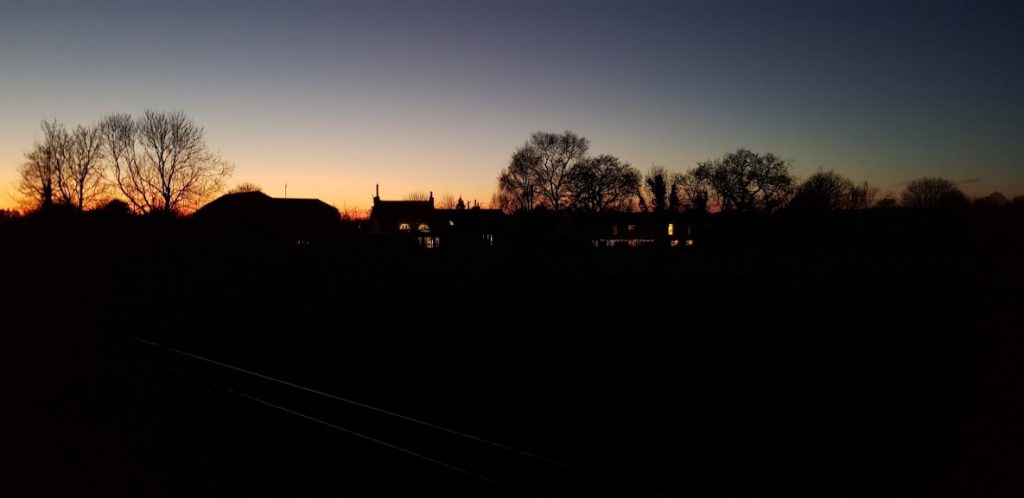
With short days and seemingly endless nights, January can feel like an eternity of nothingness. However, it is possible to get outside and see things and be refreshed. By the end of the month, there are the first signs of spring. If we are lucky we can have beautiful crisp, dry days and crystal clear nights. Time to wrap up and get out – even in the dark!
If it is frosty around the 17th of January, when there is a full moon, get outside. The light of a full moon on the frosty ground is quite beautiful. Let your eyes adjust, no need for a torch (except for safety near roads or dealing with obstacles). If you are lucky you may see owls flying, or badgers out and about. Look up – the universe is looking down on you.
Thinking about getting out and about, then perhaps Buy OS Landranger maps direct from Ordnance Survey to discover new places or see the latest handheld GPS devices with bundled mapping from Ordnance Survey.
Also, see the Out and About blogs
Sign up for a newsletter.
January in pictures